
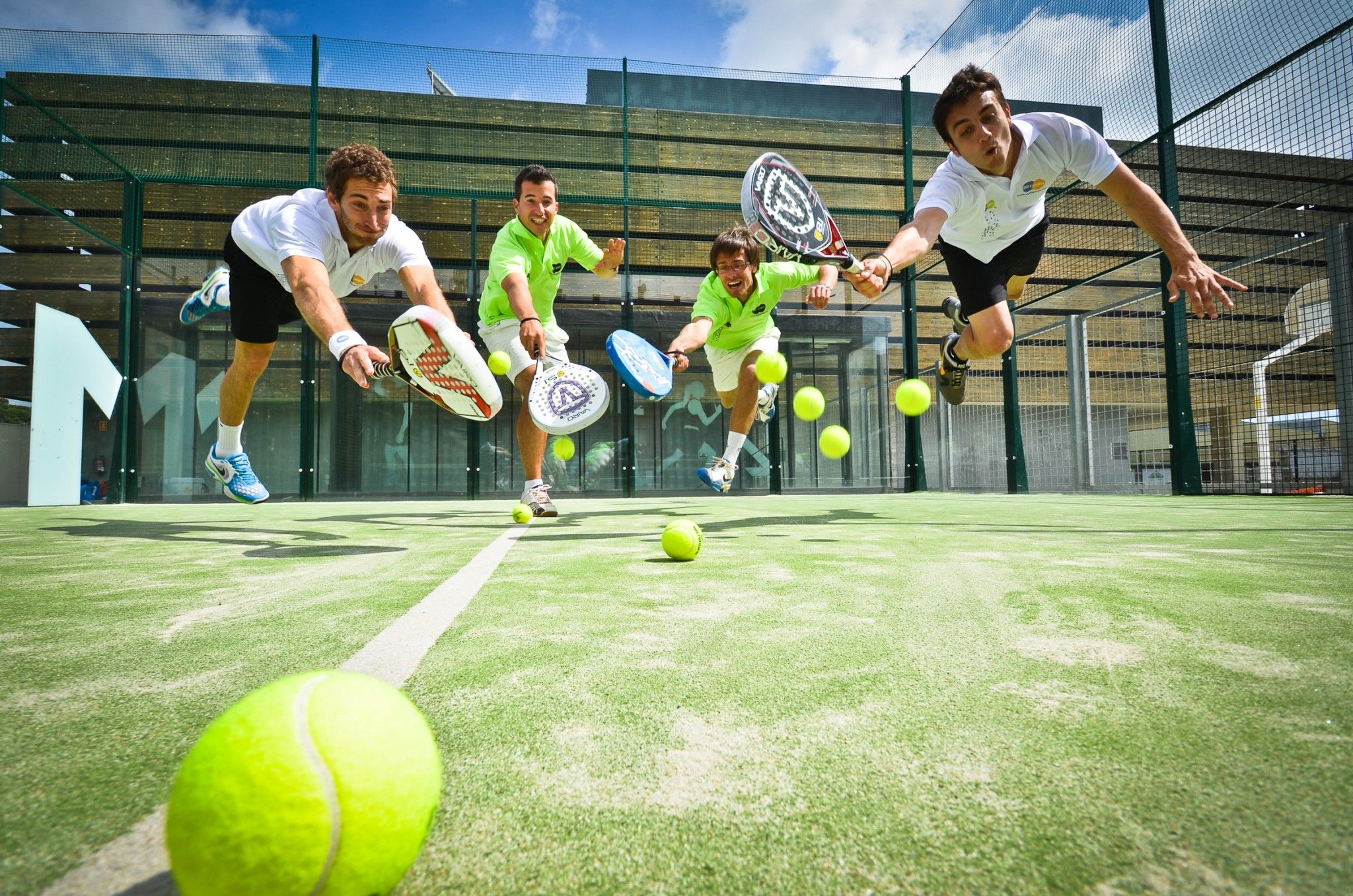
Padel is a high-intensity sport that demands agility, coordination, strength, and endurance. Whether you’re a beginner or a seasoned player, improving your fitness can have a huge impact on your game. By incorporating specific exercises into your training routine, you can boost your on-court performance, prevent injuries, and stay competitive.
Here are some essential exercises designed to enhance the key physical attributes needed for padel: agility, speed, endurance, strength, and flexibility.
1. Agility Drills: Quick Feet for Quick Reflexes
Agility is crucial in padel, as players need to move quickly around the court, often making sudden direction changes to react to the ball.
Exercise: Ladder Drills
- How to do it: Place an agility ladder on the ground and perform various footwork drills, such as high knees, lateral shuffles, and in-and-out movements. Focus on fast, controlled movements and staying light on your feet.
- Benefits: Improves foot speed, coordination, and reaction time, all of which are essential for moving efficiently around the padel court.
Exercise: Cone Drills
- How to do it: Set up cones in a zigzag pattern or in a square shape. Sprint to the first cone, touch it, and quickly change direction to the next cone. Continue the drill for about 30 seconds, then rest and repeat.
- Benefits: Enhances quick direction changes and develops explosive lateral movements, which are vital for reaching and returning wide shots in padel.
2. Core Strength: Stability for Better Shot Control
A strong core is essential for balance, stability, and power when hitting shots in padel. It helps maintain posture and ensures you can generate force through your hips when striking the ball.
Exercise: Planks
- How to do it: Start in a push-up position, keeping your body in a straight line from head to heels. Hold this position for 30 seconds to a minute, focusing on engaging your core and avoiding sagging hips.
- Benefits: Strengthens the entire core, improving posture and providing stability during dynamic movements on the court.
Exercise: Russian Twists
- How to do it: Sit on the floor with your knees bent and feet flat. Lean back slightly, engaging your core, and twist your torso to the right, then to the left, tapping the ground beside you each time. Hold a medicine ball or weight for added resistance.
- Benefits: Targets the obliques and rotational muscles, essential for generating power in padel shots, particularly when executing forehands or backhands.
3. Leg Strength: Power for Explosive Movements
Strong legs are key to generating power and stability in padel. They help with explosive movements, such as sprints, jumps, and lateral shifts, which are common during rallies.
Exercise: Squats
- How to do it: Stand with your feet shoulder-width apart. Lower your body as if sitting in a chair, keeping your knees aligned with your toes. Lower down until your thighs are parallel to the ground, then return to the starting position.
- Benefits: Builds strength in your quads, hamstrings, and glutes, which is essential for quick movements, jumps, and maintaining a low, athletic stance on the court.
Exercise: Lunges
- How to do it: Take a large step forward, lowering your back knee toward the floor until both knees are bent at 90-degree angles. Push through the front foot to return to standing, and alternate legs.
- Benefits: Strengthens the legs and improves balance, which is crucial for maintaining proper positioning while playing padel.
4. Speed: Reaction Time and Explosiveness
Speed is an essential component of padel. Whether it’s sprinting for a drop shot or reacting to a fast serve, you need to be quick and explosive on the court.
Exercise: Sprint Intervals
- How to do it: Find a flat surface or track and sprint for 20-30 seconds at maximum effort. Follow up with a 30-60 second rest, then repeat for 6-10 rounds.
- Benefits: Improves anaerobic capacity, which will help you maintain explosive speed throughout your match and recover quickly between points.
Exercise: Tuck Jumps
- How to do it: Stand with your feet shoulder-width apart. Bend your knees and jump as high as possible, bringing your knees toward your chest. Land softly and repeat for 10-15 reps.
- Benefits: Enhances explosive power and agility, particularly for quick jumps and reacting to overhead shots or smashes during a game.
5. Flexibility: Prevent Injuries and Improve Range of Motion
Flexibility allows for better movement, a wider range of motion, and reduced risk of injury during dynamic padel movements.
Exercise: Dynamic Stretching
- How to do it: Before your padel session, engage in dynamic stretches like leg swings, arm circles, and walking lunges. Focus on warming up the muscles that will be used most in the game.
- Benefits: Prepares the body for movement, improves flexibility, and decreases the likelihood of muscle strains.
Exercise: Hamstring Stretch
- How to do it: Sit on the floor with one leg extended straight and the other leg bent with the foot close to your groin. Reach for your toes of the extended leg, keeping your back straight, and hold for 20-30 seconds. Repeat on the other side.
- Benefits: Increases hamstring flexibility, which is crucial for quick sprints, lunges, and maintaining low stances during padel rallies.
6. Endurance: Sustain High-Intensity Play
Padel matches, especially competitive ones, can last for long periods. Building endurance helps you maintain your level of play throughout the match.
Exercise: Circuit Training
- How to do it: Set up a circuit of different exercises (e.g., jumping jacks, mountain climbers, squats, push-ups) and perform each for 30 seconds to 1 minute with minimal rest between exercises.
- Benefits: Enhances cardiovascular endurance, helping you maintain energy and performance throughout the entirety of a padel match.
Exercise: Rowing or Cycling
- How to do it: Incorporate steady-state cardio, like rowing or cycling, for 20-40 minutes at a moderate pace. Focus on maintaining a consistent heart rate.
- Benefits: Builds aerobic endurance, which is important for sustaining high levels of intensity during long padel matches.
To improve your padel performance, it’s essential to focus on developing key physical attributes such as agility, core strength, leg power, speed, flexibility, and endurance. Incorporating the above exercises into your training routine will ensure you’re well-rounded and ready for the challenges of the game.
By strengthening your body and improving your movement on and off the court, you’ll increase your chances of success, minimize your risk of injury, and enjoy the game even more. Consistent training and fitness development will not only elevate your padel performance but also enhance your overall athleticism. Now, get out there and take your padel game to the next level!
