
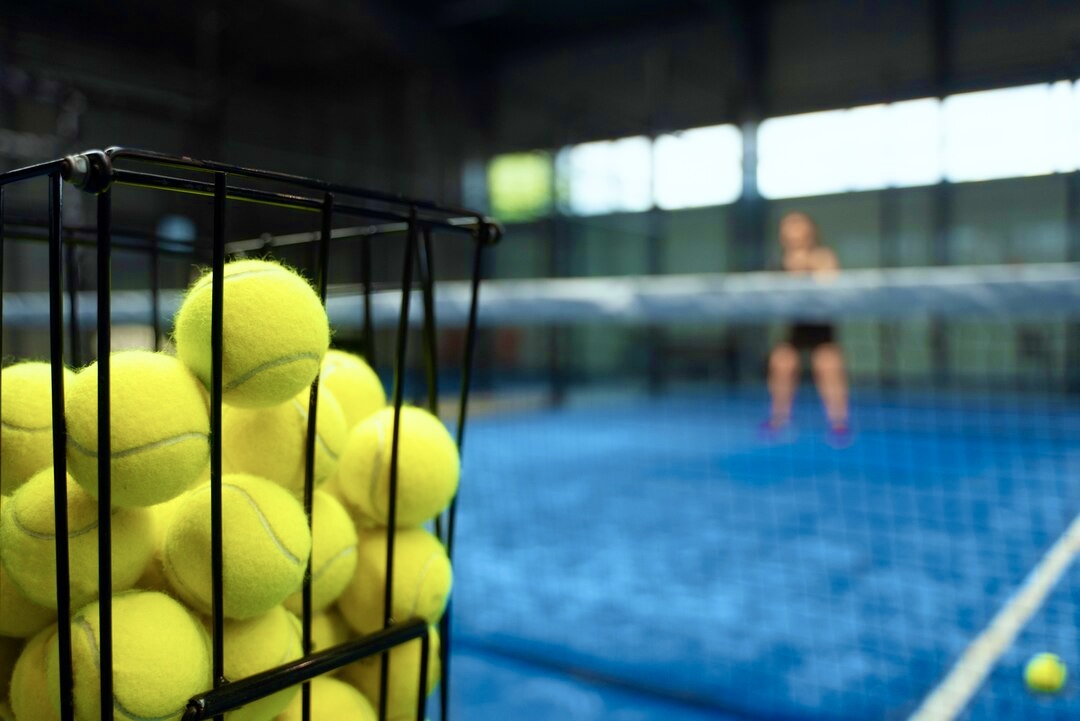
When it comes to padel and tennis, one of the most obvious similarities is the ball. Both sports use air-filled rubber bladders encased in a fuzzy covering, typically in the same signature neon yellow hue. For newcomers, these visual similarities might make padel balls seem like simple variations of tennis balls. However, experienced players know there are several distinct differences that directly impact how the game is played.
Size Matters: Padel Balls Are Slightly Smaller
While both balls share a comparable overall size, padel balls are about 8% smaller than tennis balls. This might not sound like a drastic difference, but the reduced size influences how the ball behaves during play. In padel, the smaller ball feels slightly more compact, which can affect the way players hit and control it.
Pressure: A Key Difference in Bounce
The most significant distinction between padel and tennis balls is the internal pressure. Padel balls are pressurized to around 11 psi (pounds per square inch), whereas tennis balls are inflated to 14 psi. This 3-psi difference may seem minimal, but it has a profound effect on the game.
With lower internal pressure, padel balls are less bouncy, offering a softer response when they hit the ground or other surfaces. This difference becomes especially important in padel, where balls often bounce off walls, requiring more controlled, strategic shots. The decreased bounce brings padel’s gameplay closer to that of squash, where precision and finesse take precedence over power and speed.
The Resulting Game Dynamics
The reduced bounce and smaller size of padel balls fundamentally alter the pace and tactics of the game. Players must adjust their timing and shot selection, often opting for more delicate placements rather than relying solely on powerful strokes. The ball’s less erratic behavior on the court, combined with the walls in play, leads to a faster, more tactical game, requiring heightened reflexes and strategic thinking.
In summary, while padel and tennis balls may look alike, it’s the subtle differences in size and pressure that shape the unique nature of padel. Understanding these differences is crucial for both new and seasoned players, as they dramatically influence how the ball behaves and how the game is played.
